
How Long Does It Take for Mold to Grow After a Water Leak?
Water leaks create the ideal conditions for mold growth, posing a serious threat to residential and commercial properties. If water damage cleanup is not handled fast and thoroughly, visible mold colonies can develop swiftly. Understanding the typical timeline for mold growth after a water leak is crucial for preventing further property damage and possible health concerns.
Mold Growth Timeline: When Does Mold Start to Appear?
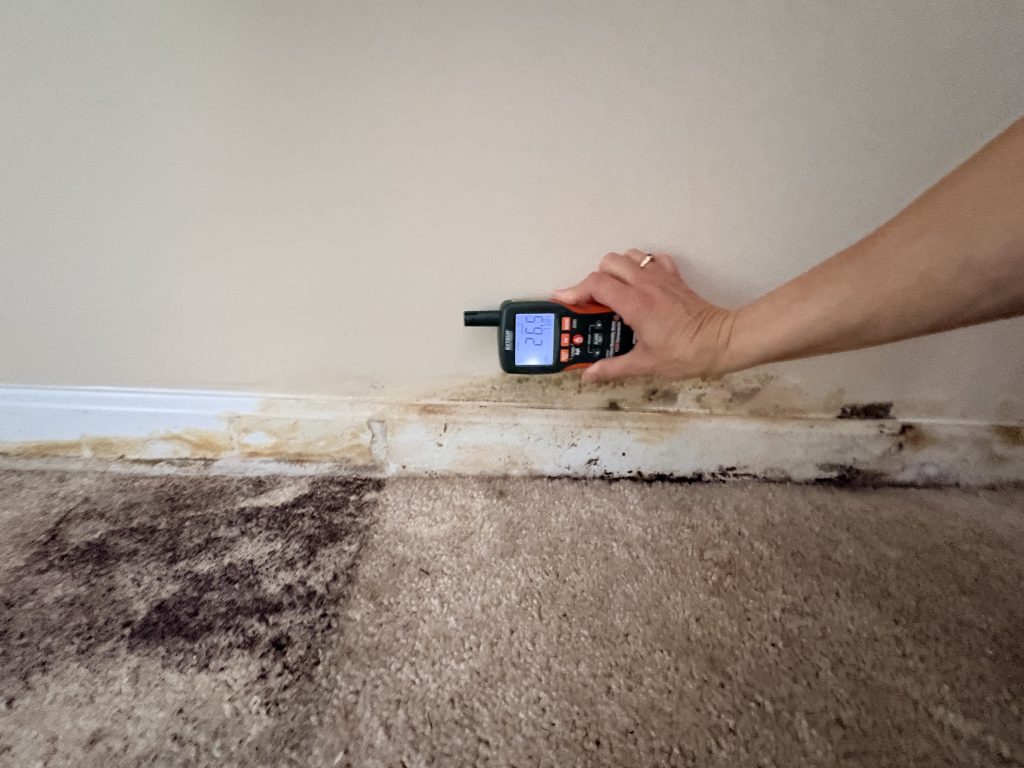
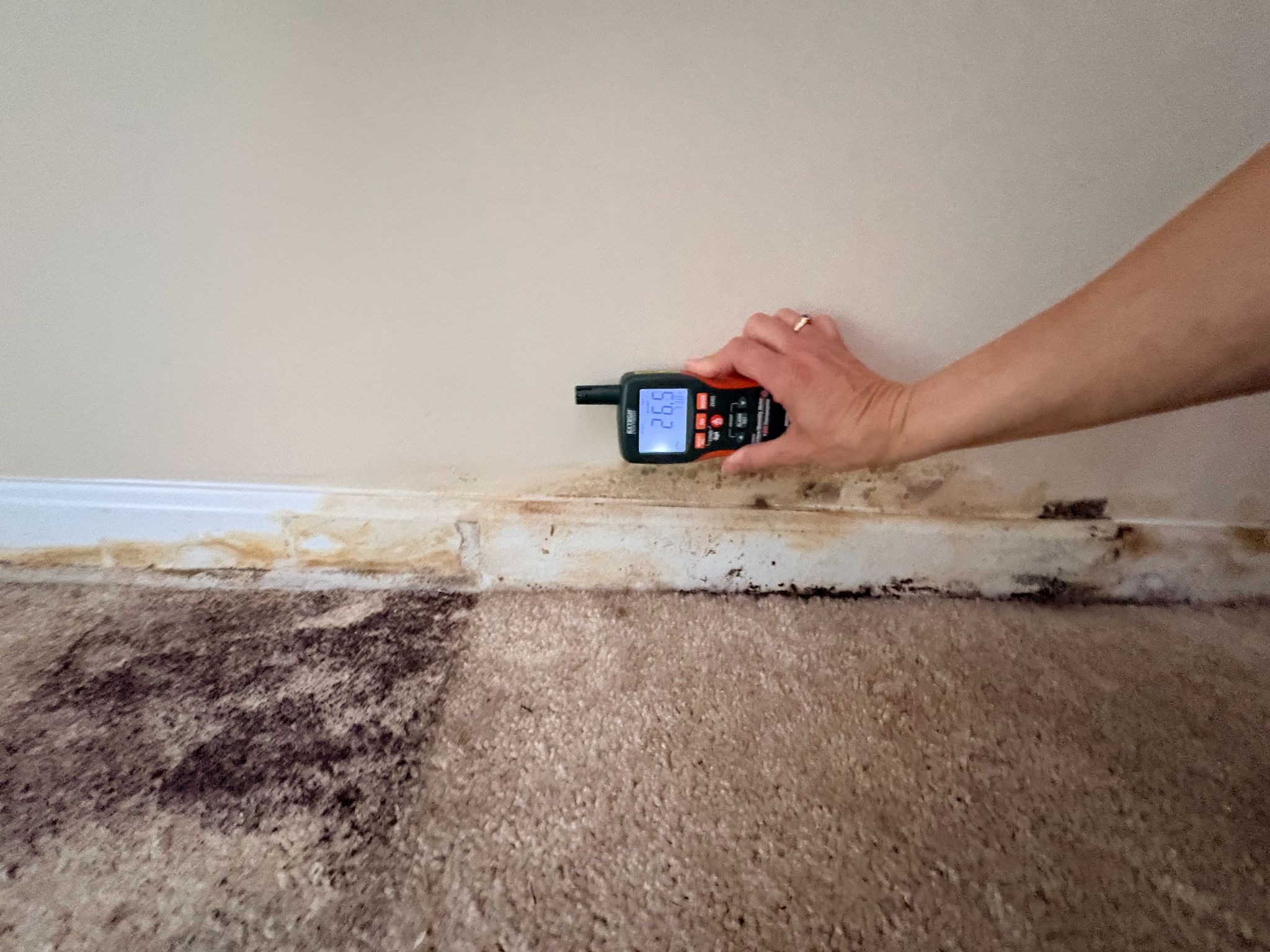
After a water leak, mold spores can begin to settle and develop quite quickly. In as little as 24 to 48 hours, spores exposed to moisture and organic material will begin the process of colonization. Within 72 hours of a leak, visible signs of mold growth are often present on drywall, wood, carpet, or other porous building materials. Eastern Pennsylvania’s humid summers and seasonal temperature swings can accelerate this timeline, emphasizing the importance of addressing leaks and moisture issues immediately.
Key Factors That Influence Mold Growth
Several factors affect how fast mold can establish itself after a leak:
-
The amount of water or humidity present
-
The type of materials that became wet
-
The length of time materials remain damp
-
Airflow and ventilation in the affected area
-
Indoor temperature
In Willow Street and surrounding areas, summertime thunderstorms and basement humidity increase the challenge, making mold removal and remediation a more urgent concern for local residents.
Steps for Effective Water Damage Cleanup
Responding to water damage promptly is essential for minimizing the conditions that foster mold growth. Professional water damage cleanup should start as soon as the source of the leak has been stopped. Local experts, like those at DC Eager Emergency Services, LLC, use industry-standard practices to thoroughly dry, clean, and restore structures:
-
Mitigating affected areas by extracting all standing water
-
Using industrial air movers and dehumidifiers to accelerate drying
-
Removing or replacing damaged building materials, such as drywall or insulation, when necessary
-
Applying antimicrobial treatments to inhibit the spread of mold spores
Why Clean Demolition May Be Necessary
If water has penetrated extensively, certain materials simply cannot be fully dried or decontaminated. For these instances, clean demolition methods are critical. Clean demolition means carefully removing only the compromised sections of building materials, such as baseboards, carpeting, or drywall, to halt mold growth while preserving as much of the structure as possible. This approach is especially important when dealing with older homes in Lancaster County, which may have historic features or unique building materials.
Preventing Mold: Proactive Steps for Homeowners
Homeowners in Willow Street and surrounding areas should be vigilant about identifying and fixing leaks, improving indoor ventilation, and maintaining dry conditions, especially during humid months. Routine inspections can help spot trouble areas before water leaks escalate into costly mold problems.
Contact DC Eager Emergency Services for Mold Issues in Lancaster, PA
If you notice signs of mold or suspect water damage in your Lancaster, PA property, immediate action can drastically reduce cleanup costs and prevent further damage. The licensed professionals at DC Eager Emergency Services, LLC specialize in mold removal and remediation and offer prompt, thorough water damage cleanup and clean demolition services tailored to the demands of Lancaster County homes and businesses. Get peace of mind, contact DC Eager Emergency Services, LLC today by calling 717-989-5763 or using the simple online form to request your consultation.