The Most Common Areas of the Building Where Mold and Mildew Hide Due to Water Damage
Mold and mildew caused by water damage are significant concerns for property owners. These unwanted invaders thrive in damp, dark environments, and in the Willow Street, PA area, humid summers and heavy storms can make homes and businesses especially vulnerable. Here, you’ll learn about the most common places in your building where mold and mildew can hide after water damage, and how understanding these hotspots can help you act fast to protect your property.
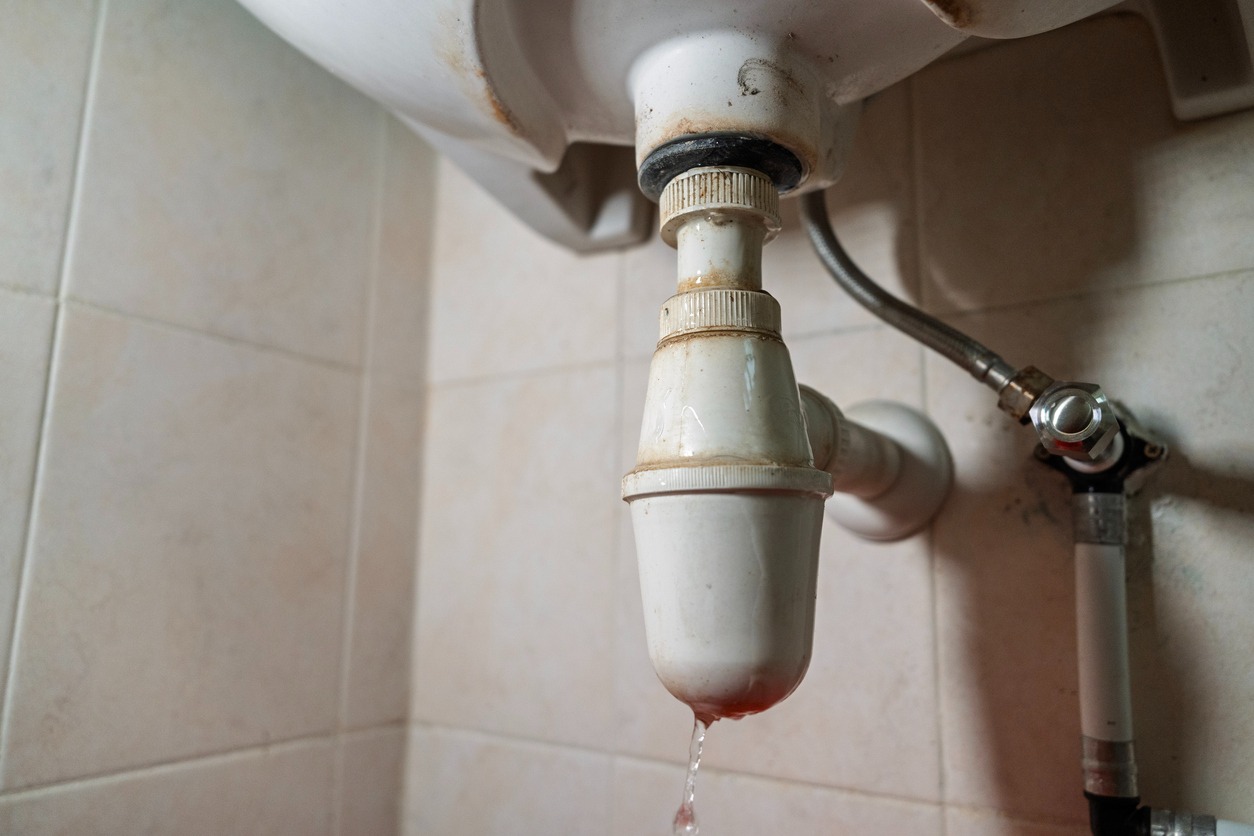
Bathrooms: The Prime Environment for Mold Growth
Bathrooms are frequently exposed to moisture from steamy showers, running sinks, and toilet leaks. Without proper ventilation, dampness lingers, creating a perfect breeding ground for mold and mildew. Pay extra attention to the following areas:
-
Under sinks where pipes may leak or sweat
-
In grout lines and behind wall tiles
-
Around and beneath toilets
If you notice persistent musty odors or discoloration along caulk lines, these are early signs of mold that require immediate attention. Comprehensive mold remediation and improved ventilation can both restore and safeguard your bathroom against future problems.
Basements and Crawl Spaces: Out of Sight, Not Out of Mind
Basements and crawl spaces in Willow Street often have higher humidity, especially following heavy rain or snowmelt. These areas are prone to flooding, plumbing leaks, and condensation; all risk factors for hidden mold and mildew. Problems often develop:
-
Near sump pumps and water heaters
-
Along foundation walls
-
Underneath stored items or furniture
Since many basements are used for storage or as laundry rooms, unchecked water damage can affect valuable possessions and even the foundation of the structure itself. Residents should regularly inspect for dampness and consider a water damage restoration service if any issues appear.
Attics: The Hidden Hotspot
Attics are frequently overlooked when checking for water damage, but roof leaks and poor insulation can drive moisture into insulation and structural beams. In humid climates like that of Lancaster County, without consistent air flow, moisture is trapped and quickly becomes a haven for mold and mildew. Pay attention to:
-
Wood framing or sheathing for soft spots or discoloration
-
Around bathroom exhaust vents or chimneys
-
Behind stored boxes or old insulation
Early intervention is crucial if mold growth is discovered, as spores can easily spread throughout the rest of your building via your HVAC system.
Kitchens and Laundry Rooms: Daily Water Usage Risks
Kitchens and laundry rooms experience constant water use, from dishwashers, washing machines, and sinks. Leaks under or behind appliances often go unnoticed until mold or mildew becomes visible. To reduce risk, inspect these spots:
-
Behind the refrigerator and dishwasher
-
In and around cabinets beneath sinks
-
Behind or beneath the washing machine
Prompt response to any sign of leaking or water pooling is key to preventing contamination. Regular maintenance and the use of a 24/7 emergency water removal service can help mitigate extensive damage.
Windows, Doors, and Exterior Walls
Willow Street’s changing seasons can lead to condensation on windows and water seepage around improperly sealed doors and walls. Mold can form inside wall cavities or beneath window sills, resulting in damage that might not be immediately visible. It’s smart to routinely check:
-
Caulking and weatherstripping for signs of deterioration
-
Walls below windows for soft spots or warped paint
-
Inside closets or along exterior-facing walls for musty odors
Sealing gaps and acting fast during extreme weather events will help keep these trouble areas dry.
Contact DC Eager Emergency Services for Quick Mold Solutions
When it comes to discovering mold and mildew in hidden places after water damage, early detection and professional intervention are crucial. If you suspect an issue in your Willow Street, PA property, reach out to DC Eager Emergency Services, LLC for reliable, local expertise. Call 717-989-5763 or fill out our online form to schedule an inspection or learn more about our comprehensive restoration solutions. Protect your building—call now!