Is Testing for Mold Necessary?
Mold is a common concern, especially for homeowners and business owners dealing with the aftermath of water damage. Mold not only causes structural issues but can also impact indoor air quality. This makes many wonder if mold testing is really necessary, or if it’s just an unnecessary step in the remediation process. Understanding how mold testing fits into property maintenance and restoration can help you decide the right course of action.
When Should You Consider Mold Testing?
Not every situation requires professional mold testing. Some visible mold growth, such as patches behind a leaking pipe or along basement walls, are clear indicators that mold remediation needs to happen. However, there are circumstances when testing becomes especially valuable:
-
When you suspect hidden mold due to musty odors or unexplained allergies.
-
During a real estate transaction, where documentation of mold presence or absence is needed.
-
If you’ve had recent flooding or ongoing moisture issues that might have led to concealed growth.
If you can already see or smell mold, the affected area often needs remediation more so than testing. However, if the extent or type of mold is unknown, testing can provide clarity, especially for peace of mind or legal documentation.
Types of Mold Testing Available
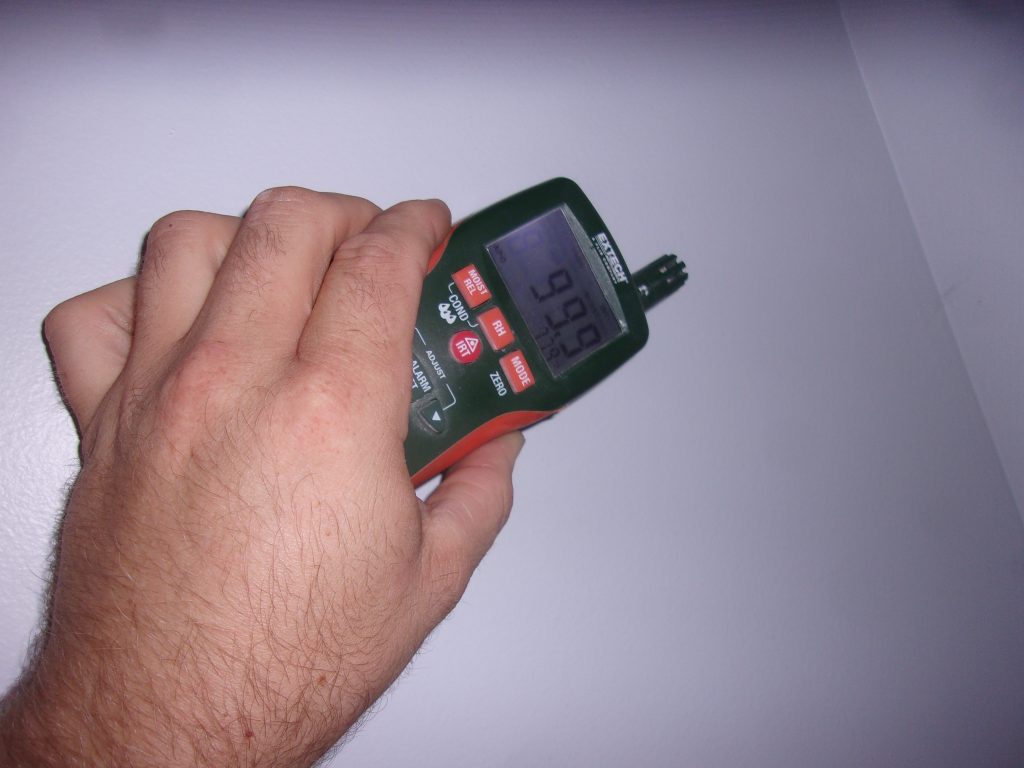
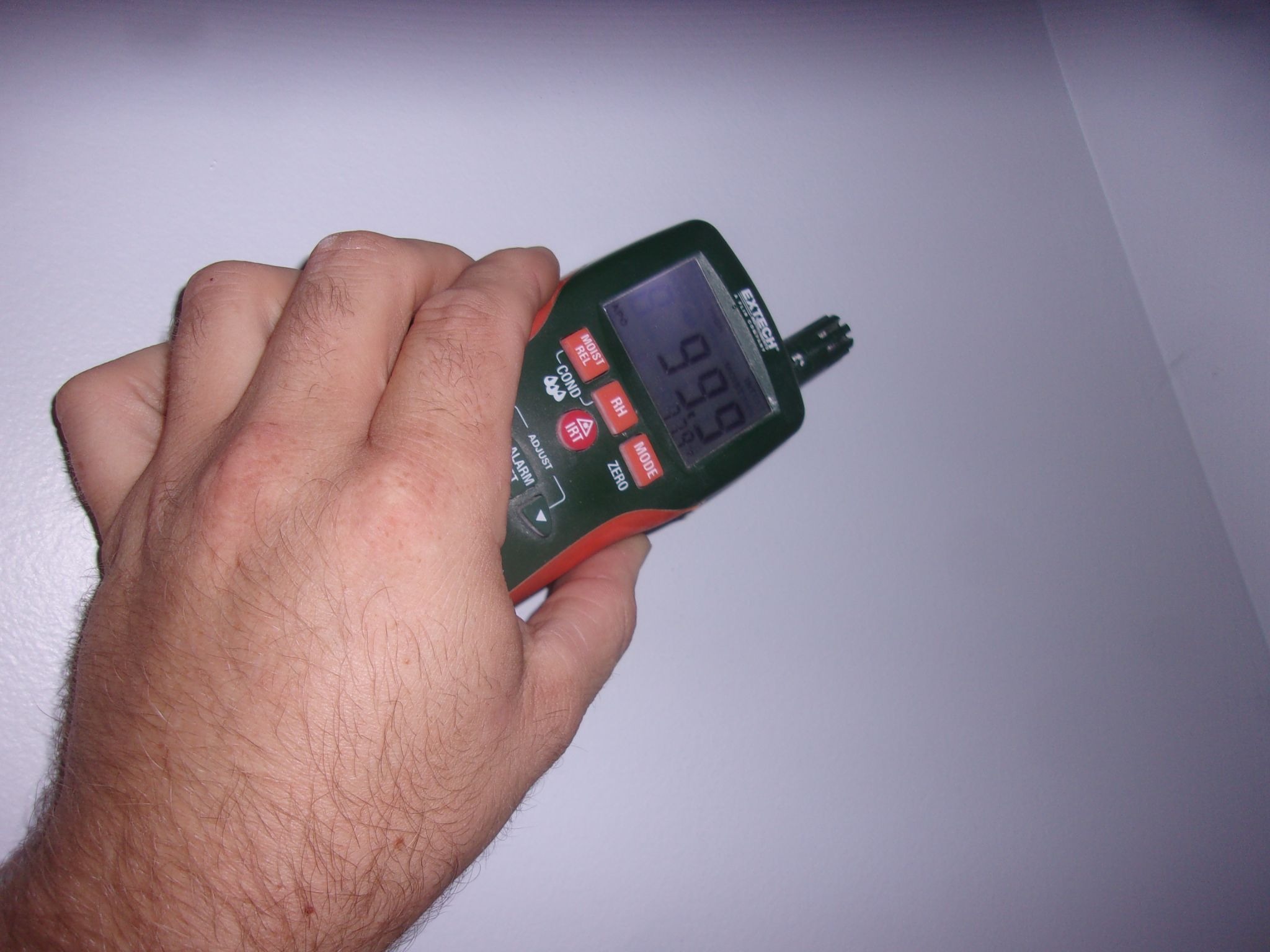
Mold testing can be broadly categorized into air sampling and surface sampling. Air sampling identifies whether airborne mold spores are present in a building, while surface sampling determines if contaminants have settled on specific areas. Both testing types help guide mold removal and remediation efforts by pinpointing the severity and spread of contamination.
-
Air sampling is useful when you can’t see mold but notice symptoms such as persistent cough, sneezing, or headaches.
-
Surface sampling is typically performed when mold appears on certain materials, and you want to assess if deeper contamination exists.
Testing should be conducted by certified professionals who are familiar with seasonal trends and construction styles in Pennsylvania, as this ensures the results are reliable and tailored for local conditions.
How Mold Testing Informs Remediation
Professional mold testing results help technicians create tailored action plans. Elevated levels of certain spores will direct focus to specific rooms or ventilation systems. For example, after snow melts in spring, properties in the region often experience elevated humidity, creating perfect conditions for mold. Early testing during this seasonal transition can prevent widespread damage.
Additionally, mold testing before and after water damage restoration ensures that all mold, visible or hidden, is identified and remediated. Post-remediation testing verifies successful cleaning, offering reassurance to families and property managers alike.
The Value of Local Knowledge in Mold Testing
Local weather patterns have a significant effect on mold growth in homes and businesses. In Lancaster County, high humidity during summer and wet conditions in the spring can lead to hidden mold outbreaks, especially in older properties with unfinished basements or crawl spaces. Working with professionals who are familiar with Willow Street’s seasonal climate and construction practices means mold testing and emergency services will be thorough and location-specific.
Contact DC Eager Emergency Services, LLC for Mold Testing in Willow Street, PA
If you’re facing unexplained allergies, recent water intrusion, or visible signs of mold in your Willow Street, PA property, now is the time to act. DC Eager Emergency Services, LLC offers comprehensive mold testing and certified remediation. Their team evaluates your space, develops a customized remediation plan, and conducts post-cleaning verification for your peace of mind. Call 717-989-5763 or fill out our online form to schedule your inspection and protect your property from the risks associated with mold.