Common Reasons Mold Grows in Homes
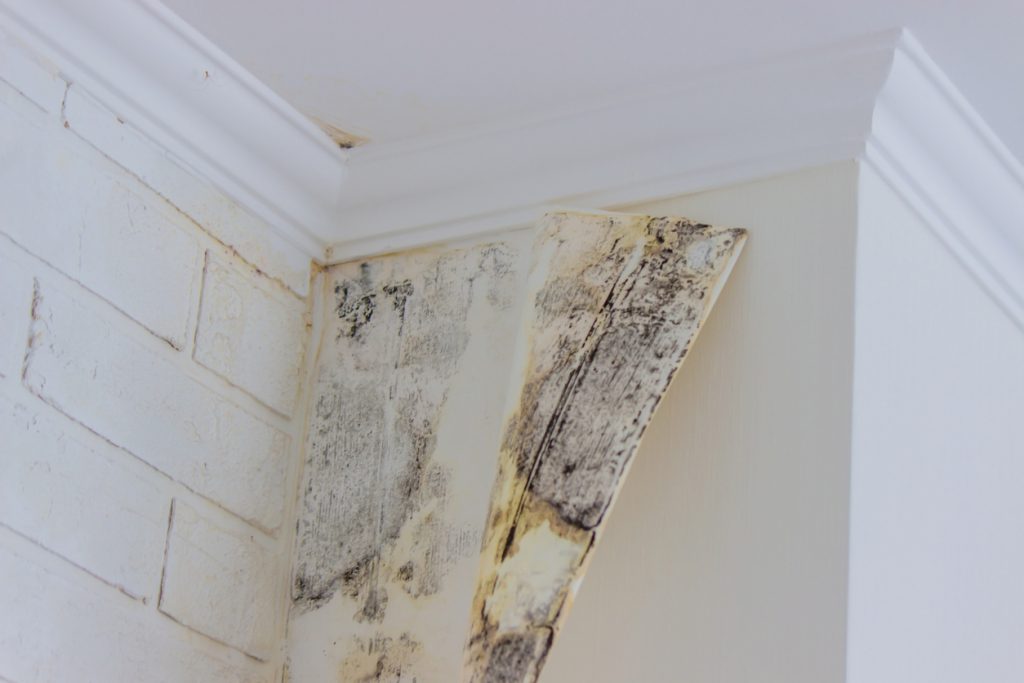
Mold poses a serious concern for homeowners, often leading to costly repairs and adverse health effects if left untreated. Understanding why mold tends to grow inside homes is essential for prevention, especially given the humid summers and fluctuating weather of South Central Pennsylvania.
Understanding Moisture Problems in the Home
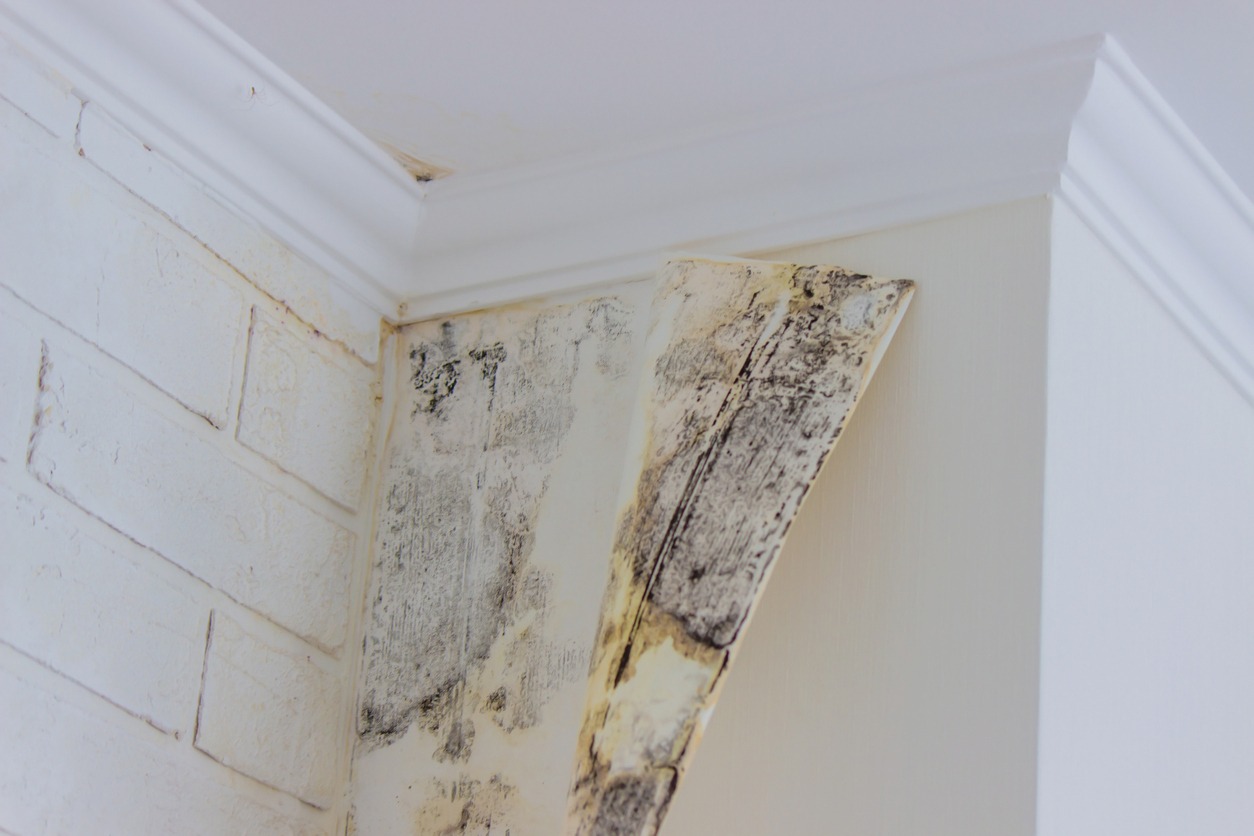
Moisture is the primary driver of indoor mold growth. In homes, moisture issues often stem from leaky roofs, windows, or plumbing fixtures. These problems are especially common during the spring and summer when heavy rains are more frequent. A minor roof leak or a dripping pipe under the sink might seem insignificant, but in the humid environment of Willow Street and surrounding Lancaster County, even small water sources can support mold if not addressed quickly.
Poor Ventilation and Air Flow
Without adequate ventilation, homes can trap humidity and stale air, creating the perfect breeding ground for mold. Areas like bathrooms, laundry rooms, basements, and kitchens are especially vulnerable:
-
Showers and bathtubs that don’t have proper exhaust fans collect moisture on walls and ceilings
-
Basements often have limited airflow, especially if there are no windows or regularly-running dehumidifiers
In houses constructed decades ago, which are common throughout the Willow Street area, original building materials and layouts may not support modern ventilation standards, exacerbating mold risk.
Condensation Issues Related to Weather
Pennsylvania’s climate brings cold winters and humid summers, both of which contribute to condensation indoors. Windows, pipes, and poorly insulated exterior walls often sweat with condensation when indoor air is warmer and more humid than outside surfaces. This excess moisture is absorbed by porous surfaces (like drywall or carpet), creating an optimal environment for mold. Additionally, climate-controlled spaces set to high humidity in summer further increase the condensation risk.
Flooding and Water Intrusion Events
Any significant water event such as basement flooding during spring storms or sump pump failures can saturate building materials and flooring. These situations demand immediate intervention by a professional water restoration service. In many Willow Street homes, waterproofing and proper drainage are crucial, but even these precautions do not fully eliminate risk. If building materials remain damp for more than 24 to 48 hours, mold spores can rapidly take hold.
Inadequate Maintenance of HVAC Systems
HVAC systems in homes help regulate temperature and humidity, but if not maintained:
-
Air conditioning units and ductwork can collect dust and moisture, harboring mold
-
Clogged condensate drain lines or dirty filters can restrict airflow and increase humidity levels
Scheduling routine maintenance and prompt repairs with a trusted local mold remediation provider is key to protecting indoor air quality.
Hidden Mold from Past Water Damage
Sometimes, mold growth is hidden behind walls, under flooring, or inside attics and crawlspaces following past water incidents. Residents of Willow Street who have experienced flooding or leaks in the past, but did not seek emergency water restoration services, may find mold reappearing months or even years later.
Take Action to Protect Your Willow Street, PA Home
Don’t let mold become an ongoing issue in your home. If you notice musty odors, visible discoloration, or have experienced any water damage, contact the specialists at DC Eager Emergency Services, LLC for a prompt inspection and actionable solutions. Proudly serving Willow Street, PA and surrounding areas, the team is available 24/7 for emergencies. Call 717-989-5763 or fill out the online form on the company’s website today to schedule your assessment and safeguard your home from mold.