Things You Should Know About Mold in the Workplace
Mold in the workplace is often overlooked until it becomes a significant issue, but understanding the risks and signs of mold growth is essential for creating a safe and healthy work environment. In many offices, warehouses, and commercial properties, hidden moisture problems can lead to mold infestations that threaten employee health and cause operational disruptions. By learning how to recognize, prevent, and address mold, your workplace can avoid costly shutdowns and maintain indoor air quality.
Recognizing Mold: What Does It Look and Smell Like?
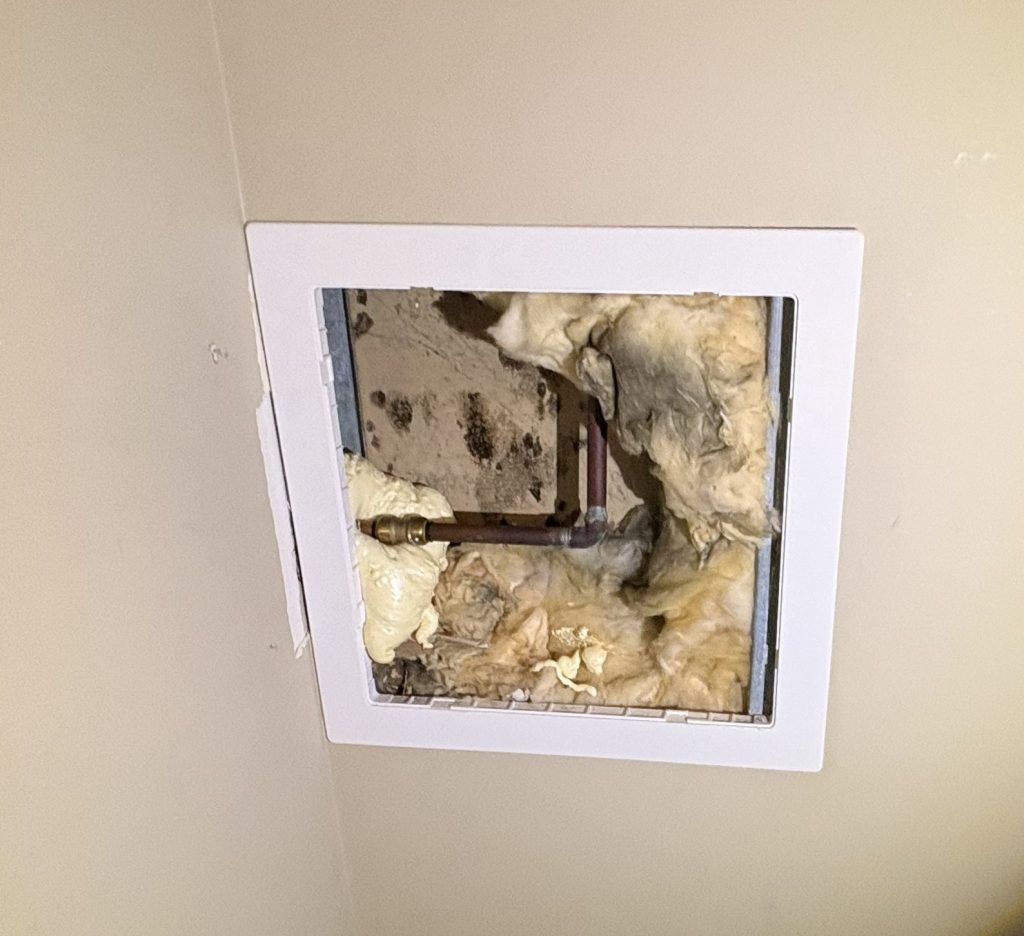
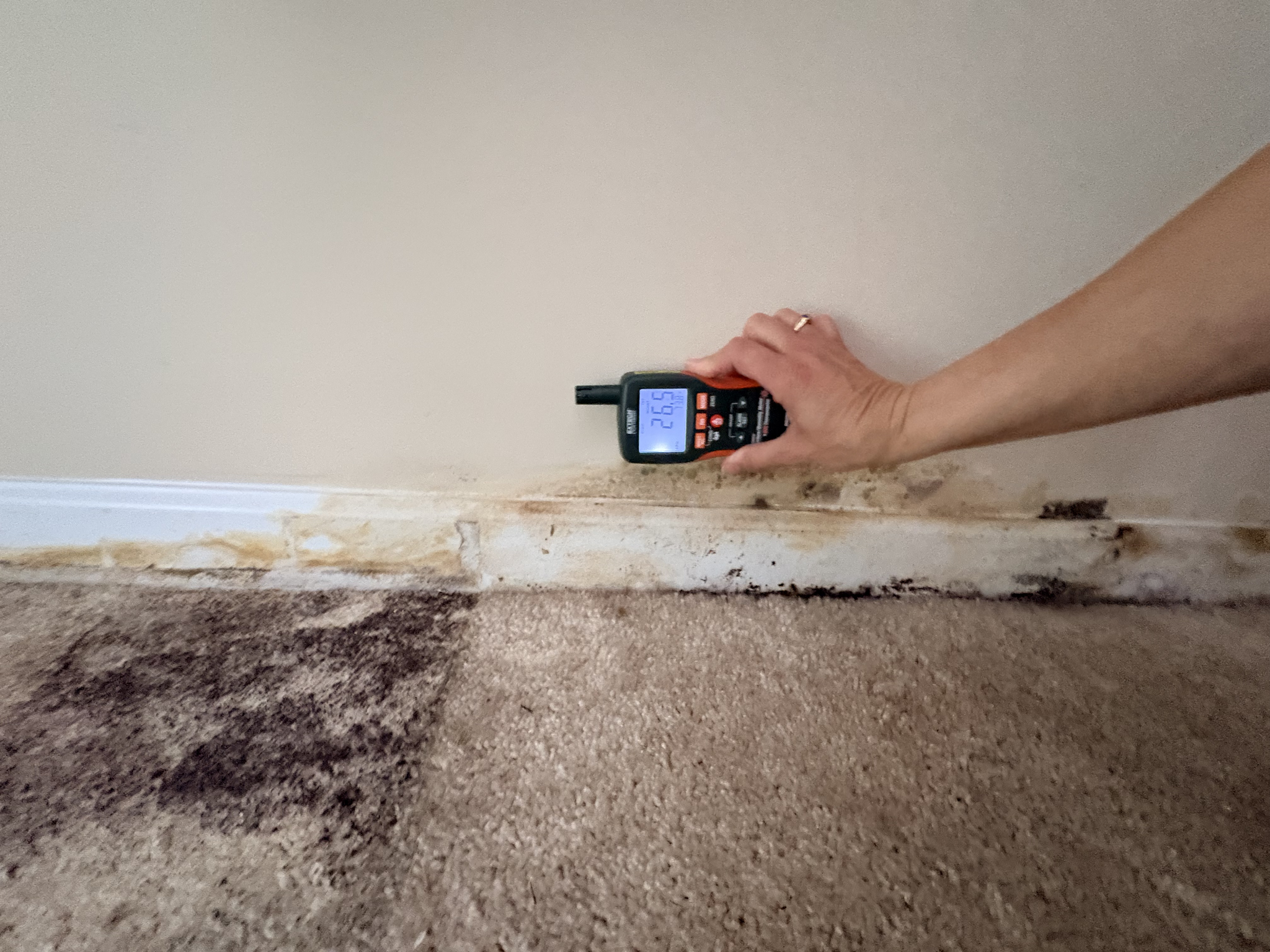
Mold can take many forms in commercial settings, from the familiar greenish or black fuzzy spots found in damp corners to yellow or white patches appearing on walls, ceilings, or even stored materials. Sometimes, mold is hidden behind wallpaper or underneath carpeting. A musty, earthy odor is a common sign that mold may be present, even if it is not visible. Regular inspections, particularly in areas prone to humidity like storage rooms or areas near plumbing, are crucial for early detection.
Why Mold Is a Serious Workplace Hazard
Mold is not just an unsightly nuisance; it can have real impacts on health and productivity. Exposure to mold spores has been linked to respiratory problems, skin irritation, eye discomfort, and exacerbation of allergies and asthma. In workplaces like offices, retail spaces, and manufacturing facilities, this can lead to:
-
Increased employee sick days
-
Lowered workplace morale
-
Potential liability concerns
If employees report persistent musty odors, unexplained health complaints, or visible signs of mold, action should be taken immediately.
Typical Causes of Mold Growth in Local Workplaces
In Willow Street, humid summers and rainy seasons contribute to moisture accumulation in buildings. Some common causes of mold outbreaks include:
-
Leaks from roofs, plumbing, or windows
-
Poor ventilation, especially in basements or storage rooms
-
Flooding from storms or malfunctioning appliances
Regular building maintenance, effective dehumidification, and monitoring for leaks are crucial for prevention. During the wetter months, pay extra attention to areas where water can infiltrate and stay unnoticed.
How Professional Mold Remediation Protects Your Business
Tackling mold issues on your own can risk incomplete removal and future recurrences. Professional mold remediation involves a systematic approach using industrial equipment, moisture mapping, and safe removal techniques to thoroughly eliminate both visible and hidden mold. DC Eager Emergency Services, LLC uses commercial-grade dehumidifiers and air scrubbers to address the root moisture problem, not just the surface growth. This comprehensive process helps prevent mold from returning and restores your workplace to a healthy condition.
Preventative Steps Every Workplace Should Take
To limit the risk of mold growth in your facility, consider these preventative steps:
-
Keep humidity levels below 60% with regular HVAC maintenance and dehumidifiers.
-
Address spills and leaks without delay.
-
Schedule annual building inspections with a professional water damage restoration provider.
-
Implement workplace policies to regularly clean kitchens, bathrooms, and communal areas.
Understanding the importance of proactive measures can protect your employees and your business investments.
Contact the Local Mold Remediation Professionals
If you suspect mold in your Willow Street workplace, prompt action is key. DC Eager Emergency Services, LLC offers professional emergency water removal and mold remediation tailored to local climate conditions. Contact us today at 717-989-5763 or fill out our convenient online form to schedule a free assessment and reclaim a safer, healthier working environment for your team.